Korean Language Classes
Korean Language Overview
Korean is one of the most scientifically structured languages in the world, characterized by its unique phonetic alphabet, Hangeul, which was intentionally designed in 1443 to be mastered quickly through its logical, featural system where consonant shapes mimic the physical position of the speaker's speech organs. As an agglutinative language, Korean builds meaning by "gluing" various suffixes to a central root to indicate tense, mood, and social relationship, all while following a consistent Subject-Object-Verb (SOV) sentence structure. This systematic approach extends to its sophisticated honorific system, which reflects a deep cultural emphasis on social harmony and respect, making it a fascinating blend of mathematical precision and rich traditional values.
Official Name
Hangugeo (한국어)
Historical Origin
Created in 1443 by King Sejong the Great
Writing System
Hangul (한글)
Strategic Value
Global Career Gateway
Social Logic
Honorific System
Global Reach
Millions Worldwide
Certification
TOPIK (6 Levels)
Korean Language Skills You Will Master
Listening (듣기)
Understand daily conversations, classroom lectures, announcements, and real-life Korean speech.
Reading (읽기)
Read Hangul texts, notices, news articles, academic passages, and official documents.
Writing (쓰기)
Write sentences, essays, applications, and structured answers required for TOPIK exams.
Why Learn Korean?
Learning the Korean language opens doors to world-class education, global career opportunities, and long-term settlement options in South Korea. Whether your goal is study, work, or cultural immersion, Korean proficiency gives you a strong competitive advantage.
Study in South Korea
Qualify for Korean universities and government scholarships (GKS, University Grants).
Career Opportunities
Work with top Korean companies like Samsung, Hyundai, LG, and SK Group.
Visa & Immigration
Korean language is mandatory for D-2 (Student), E-7 (Professional), and E-9 visas.
High Translator Demand
Strong demand for Korean-English-Nepali translators and interpreters.
Cultural Connection
Understand K-Dramas, K-Pop, movies, and Korean traditions more deeply.
Long-Term Settlement
Language proficiency supports permanent residency and long-term stay in Korea.
Korean Language classes available in Kathmandu
If you are planning to take Korean Language classes in Kathmandu then do Visit us we have a special offer for you. Take advantage of our special offers and get the support you need to succeed in your PTE journey.
Shine Smart Consultancy
BaagBazar, Kathmandu

Korean Language Proficiency Tests (TOPIK & EPS)
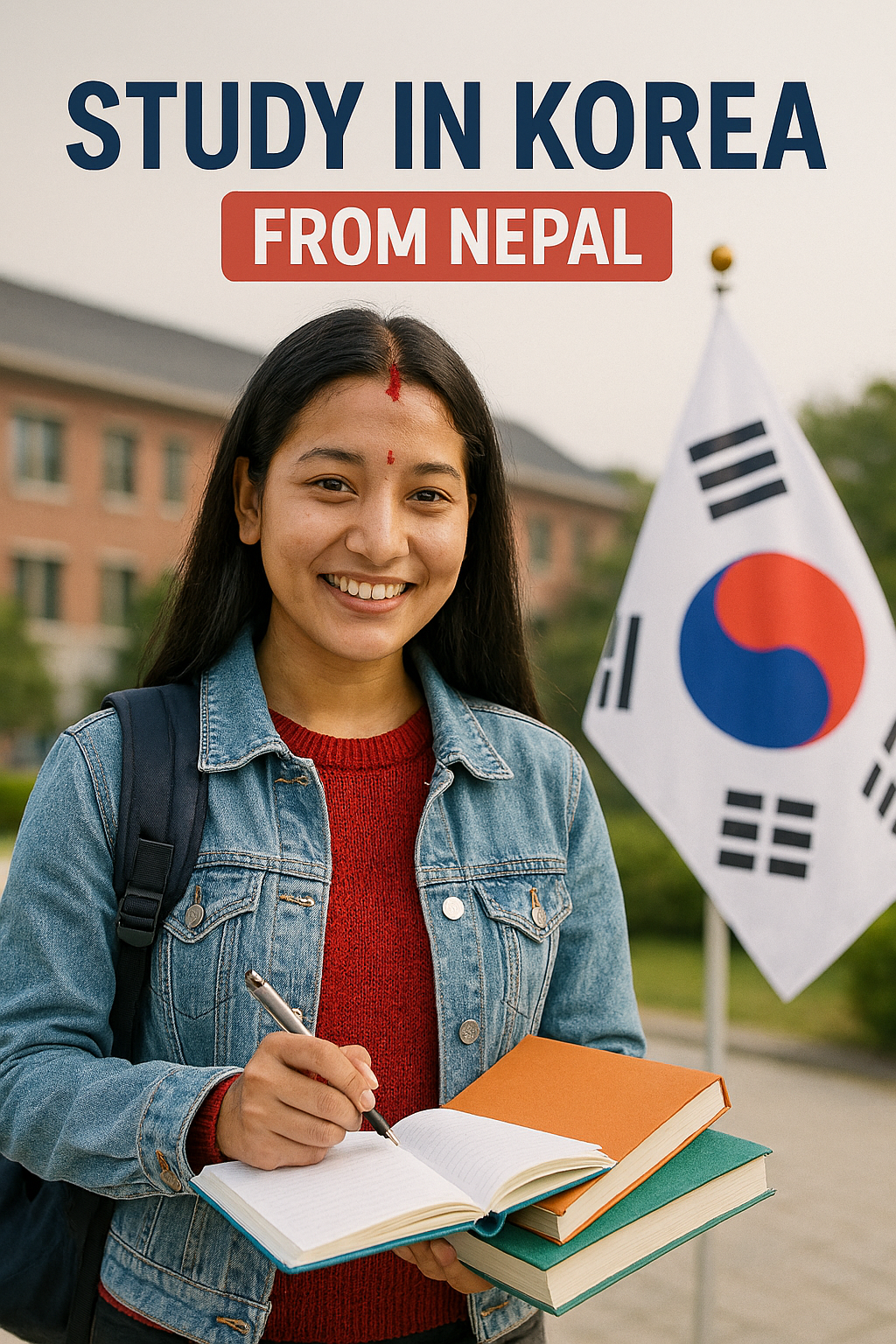
Unlike English, which uses IELTS or PTE, the Korean language has its own official proficiency exams. The most widely accepted tests are TOPIK (Test of Proficiency in Korean) for study and immigration, and EPS-TOPIK for employment in South Korea.

TOPIK I (Beginner Level)
TOPIK I is designed for beginners who are learning basic Korean for daily communication. It is suitable for students aiming for entry-level Korean programs or basic visa requirements.
| Level | Skills Tested | Score Range | Ability Description |
|---|---|---|---|
| Level 1 | Reading, Listening | 80-139 | Can understand simple words, phrases, and basic daily expressions. |
| Level 2 | Reading, Listening | 140-200 | Can handle daily conversations and simple public situations. |
TOPIK II (Intermediate to Advanced)
TOPIK II is required for university admission,scholarships, and professional work in South Korea. It evaluates a deeper understanding of Korean language and culture.
| Level | Skills Tested | Score Range | Typical Use |
|---|---|---|---|
| Level 3 | Reading, Listening, Writing | 120-149 | Daily life + simple academic or workplace communication |
| Level 4 | Reading, Listening, Writing | 150-189 | University study & most professional environments |
| Level 5 | Reading, Listening, Writing | 190-229 | Advanced research, formal writing, professional fluency |
| Level 6 | Reading, Listening, Writing | 230-300 | Near-native academic and professional mastery |
EPS-TOPIK (Employment Permit System)
EPS-TOPIK is specifically designed for foreign workers seeking employment in South Korea under the E-9 Work Visa. This test focuses on practical Korean used in factories, agriculture, construction, and manufacturing sectors.
| Aspect | Details |
|---|---|
| Purpose | Employment in South Korea |
| Skills Tested | Listening, Reading |
| Language Level | Basic to Intermediate Korean |
| Visa Type | E-9 (Non-professional Work Visa) |
| Common Fields | Manufacturing, Agriculture, Construction, Fisheries |

Why Learn Korean at Shine Smart Consultancy?
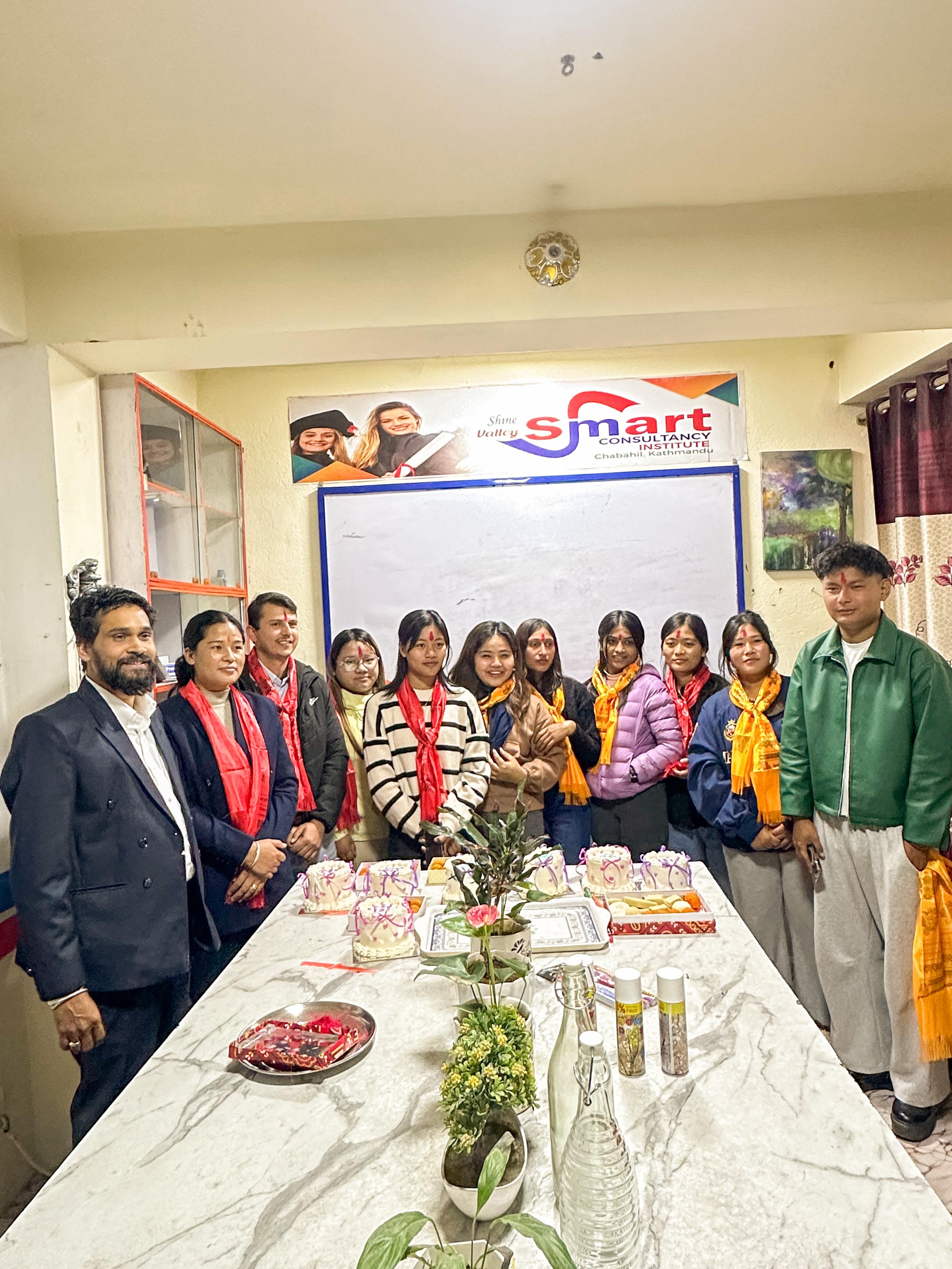
Shine Smart Consultancy offers structured and result-oriented Korean language training in Kathmandu, designed for students and professionals aiming for TOPIK I, TOPIK II, and EPS-TOPIK. Our courses focus on real exam patterns, practical communication, and career-oriented language skills.
Our experienced Korean language instructors follow a step-by-step, practical learning approach, covering listening, reading, writing, and speaking. With personalized guidance, regular assessments, and modern LED-equipped classrooms, we help students build confidence and achieve high scores efficiently.
Explore Related Language Courses
Expand your global opportunities with our internationally recognized language programs designed for study abroad, work visas, and career growth.

Japanese Language (JLPT)
Learn Japanese from basics to advanced levels with JLPT-focused training and cultural immersion.

German Language
Comprehensive German language course aligned with A1–B2 levels for study and work abroad.
IELTS Preparation
Score high in IELTS with structured lessons, mock tests, and personalized feedback.
PTE Academic Preparation
Computer-based PTE training with real exam simulations and AI scoring practice.