Study in Japan
Quick Facts
Key information at a glance to help you understand the essentials.
- capital
- Tokyo
- currency
- Japanese Yen (JPY)
- language
- Japanese (English programs growing)
- population
- 125+ million
- timezone
- GMT+9
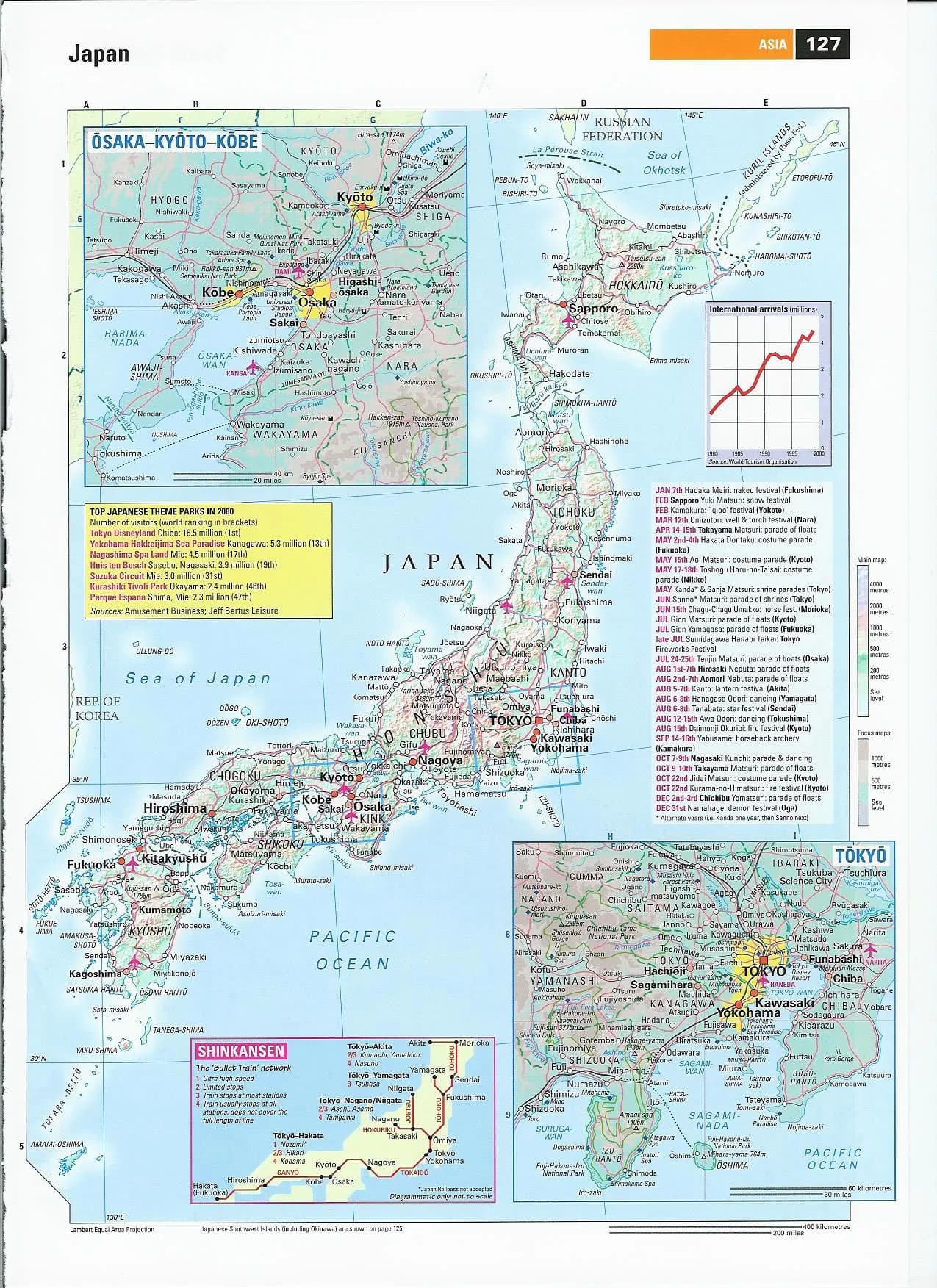
Why Nepalese students choose Japan
Key reasons that make Japan a preferred destination for higher education and global career opportunities.
Japan leads the world in automotive engineering, electronics, and biotechnology, offering students unique research facilities.
Studying in Japan offers a unique blend of ancient traditions and futuristic lifestyles, from Shinto shrines to the neon lights of Akihabara.
The MEXT scholarship is one of the most generous in the world, often covering full tuition, travel, and a healthy monthly stipend.
Mastering the Japanese language (JLPT) opens doors to the world’s third-largest economy and highly lucrative career paths.
Japan’s aging population means the government is actively encouraging international graduates to stay and work in high-demand sectors.
Japanese campuses are known for their extreme discipline, safety, and specialized student support services that assist with everything from health to housing.
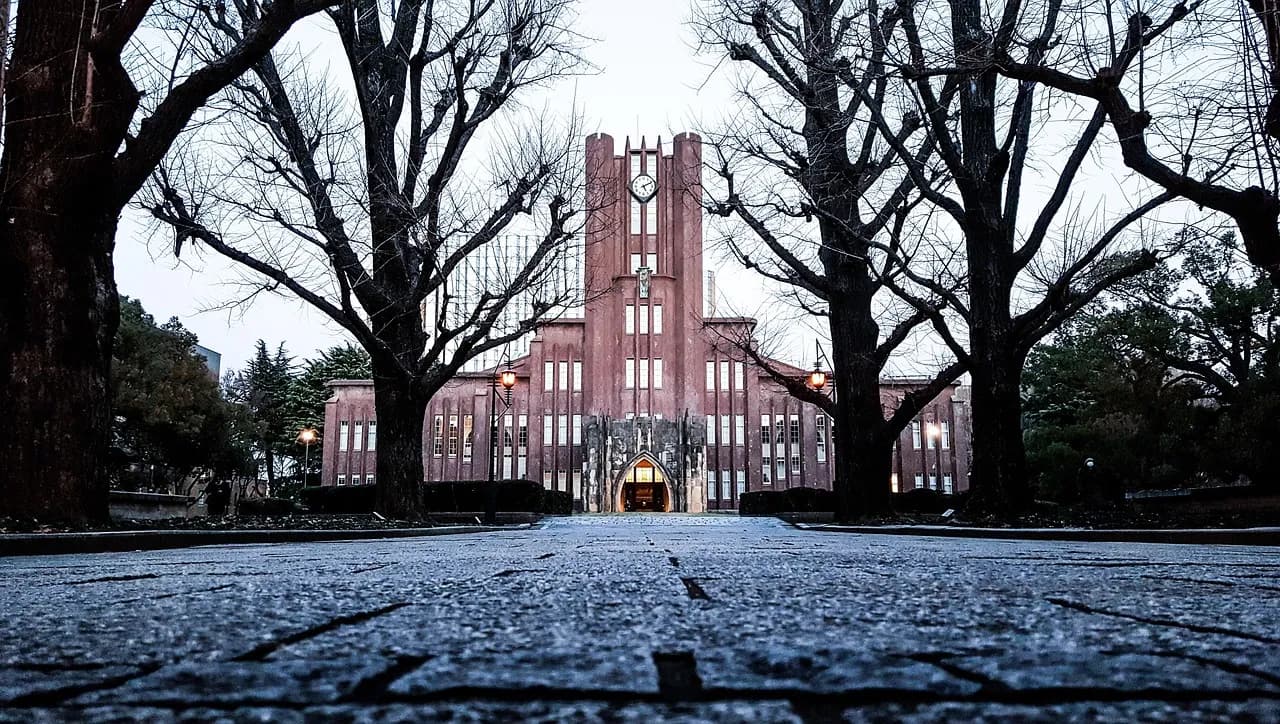
Top Universities
Leading institutions recognized globally for academic excellence
Physics, Modern Languages, Engineering
Biological Sciences, Mathematics
Dentistry, Immunology, Chemical Science
Electrical Engineering, Nano-technology
Materials Science, Mechanical Engineering
Popular Courses
High-demand academic programs commonly chosen by international students.

Best Cities for Students
Student-friendly cities known for education, lifestyle, and opportunities


Visa Process
A step-by-step overview of the student visa application process.
Certificate of Eligibility (CoE) Application->Unlike other countries, your university/language school in Japan applies for a CoE on your behalf at the Japanese Immigration Bureau. This part takes 2–3 months.
Sponsorship Documentation->You must provide detailed documents about your financial sponsor (usually parents), including their income certificates, tax clearances, and bank balance (approx. 3 million Yen).
Embassy Submission-> Once the Japanese Immigration Bureau approves the CoE, it is sent to you in Nepal. You then take this CoE to the Embassy of Japan in Kathmandu to get the actual visa sticker.
Upon arrival at major Japanese airports (Narita, Haneda, etc.), you are issued a Residence Card immediately at the immigration counter, which includes your work permit stamp.
Cost of Education
An overview of tuition fees and living expenses to help you plan your education budget effectively.

Tuition Fees
USD 5,000 – 12,000
Average Annual Cost
USD 12,000 – 20,000
The NHI pays 70% of medical expenses, leaving the student to pay only the remaining 30%. This covers most dental work, prescription medications, hospital stays, and outpatient care.
Living Expenses

Scholarships & Funding
Explore available scholarships, grants, and financial aid options for international students to support their education journey.

MEXT (Monbukagakusho)
Amount
Full Tuition, airfare, and monthly stipend (¥117,000 – ¥145,000).
Eligibility
Recommended by Embassy or University; under 35 (Research) or under 24 (UG).
JASSO Honors
Amount
¥48,000 per month for 6–12 months.
Eligibility
Privately financed international students with high grades; enrolled in a Japanese uni.
ADB-Japan Scholarship
Amount
Full Tuition, housing allowance, and monthly stipend.
Eligibility
Citizens of ADB member countries; pursuing Master’s in economics, management, or tech.
*Scholarships are competitive and based on academic merit and English scores.
Career & Post-Study Rights
Discover part-time and post-study work opportunities along with earning potential, helping students gain valuable experience and build successful international careers.
Average Salary
USD 35,000 – 60,000
Estimated annual earnings after graduation
During Study
28 hrs/week
Part-time work rights for students
Post Study
Work visa conversion
Graduate work permit duration