Study in Europe
Quick Facts
Key information at a glance to help you understand the essentials.
- capital
- Multiple
- currency
- Euro (mostly)
- language
- English + local languages
- population
- 450+ million
- timezone
- UTC +1 to +3
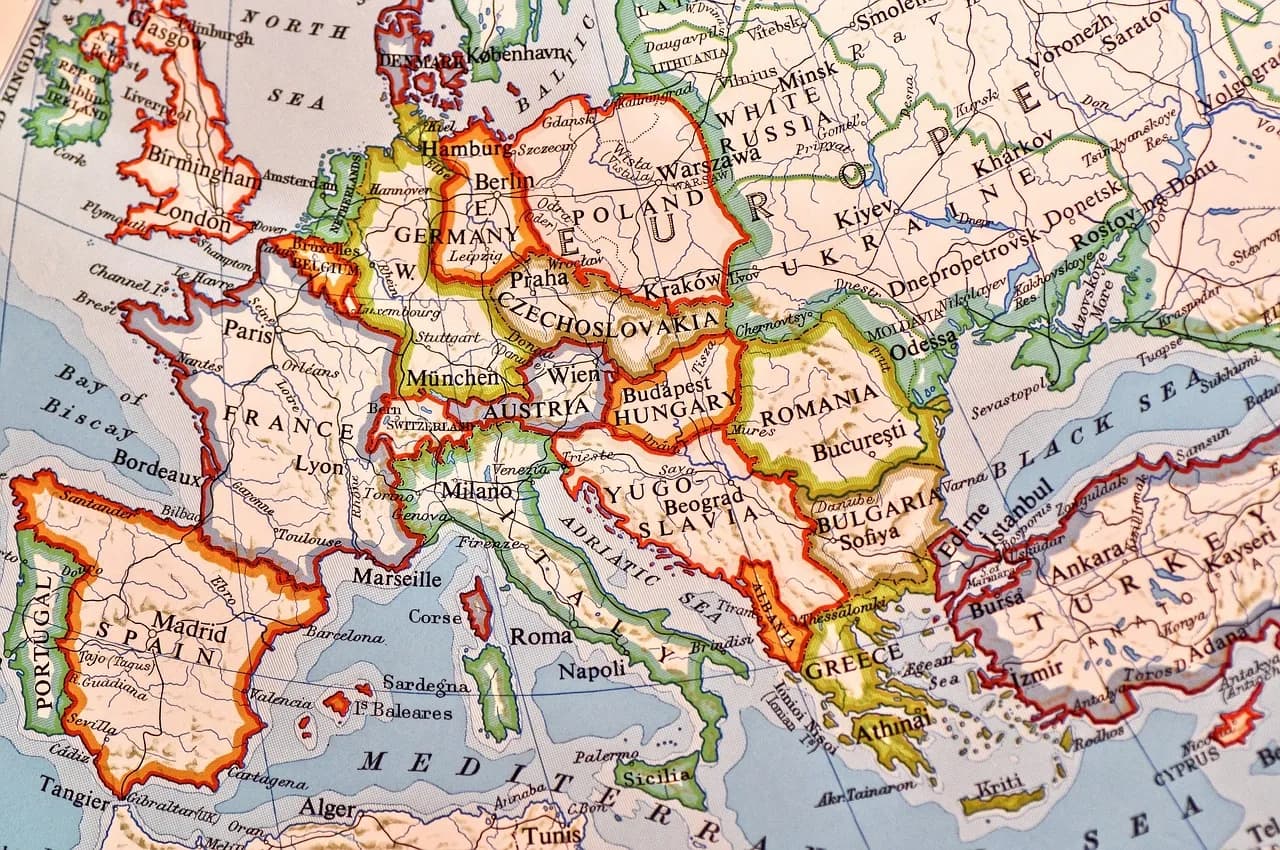
Why Nepalese students choose Europe
Key reasons that make Europe a preferred destination for higher education and global career opportunities.
Public universities in Germany charge zero tuition fees for international students, making it the most cost-effective elite destination.
A student visa in one Schengen country (like France or Italy) allows you to travel across 29 European nations without a separate visa.
Europe has seen a massive surge in Master’s programs taught entirely in English, specifically in Business, Engineering, and Design.
Students study in some of the world’s oldest and most prestigious institutions, such as the Sorbonne or Heidelberg University.
European countries offer high social security, excellent healthcare, and stable economies with a focus on work-life balance.
Germany allows students to stay for 18 months after graduation to find a job related to their degree, one of the longest periods in the West.
Top Universities
Leading institutions recognized globally for academic excellence
Automotive Engineering, Physics
Automotive Engineering, Physics
Political Science, Arts & Humanities
Mechanical & Production Engineering

Popular Courses
High-demand academic programs commonly chosen by international students.

Best Cities for Students
Student-friendly cities known for education, lifestyle, and opportunities


Visa Process
A step-by-step overview of the student visa application process.
Secure an Unconditional Offer Before applying for a visa, you must be accepted into a Designated Learning Institution (DLI). You will need your official Letter of Admission and, in many cases, proof that you have paid at least the first semester's tuition fees.
Determine the Correct Jurisdiction You must apply at the embassy or consulate of the country where you will spend the majority of your study time. If your program involves multiple countries (like Erasmus Mundus), apply to the country of your first entry.
Financial Proof (The "Sponsorship" Stage) This is the most critical part. For 2026, most European countries require proof of €11,000 to €13,000 for one academic year. Blocked Accounts: Mandatory for Germany and often the Netherlands/Austria. Bank Statements: Accepted by Italy, France, and Spain (showing 3–6 months of history). Scholarship Letters: Must state the exact monthly amount provided.
Mandatory Medical Insurance You must provide proof of health insurance that covers at least €30,000 for medical expenses and repatriation across the entire Schengen Area. Some countries (like Germany) require you to switch to their national student insurance upon arrival.
The "Genuine Student" Interview You will likely attend an in-person interview. Officers will test your academic logic: Why this country? Why this specific module? How does this degree connect to your past education and future career in your home country?
Biometric Enrollment Even if you apply online, you must visit a Visa Application Centre (like VFS Global or TLScontact) to provide your fingerprints and a digital photograph for the European visa database.
Residence Permit Registration The visa in your passport is usually only valid for 90–180 days. Within 8 to 30 days of arrival in Europe, you must go to the local "Immigration Office" (Ausländerbehörde, Préfecture, etc.) to convert your visa into a Biometric Residence Permit (BRP) valid for your entire course.
Cost of Education
An overview of tuition fees and living expenses to help you plan your education budget effectively.

Tuition Fees
EUR 0 – 15,000
Average Annual Cost
EUR 8,000 – 20,000
Most public universities in Germany are free (only a €300 semester fee). Private business schools cost €10k–€20k.
Living Expenses
Health Insurance
for Students

Mandatory
Estimated Cost
EUR 300 – 800/year
Scholarships & Funding
Explore available scholarships, grants, and financial aid options for international students to support their education journey.

Erasmus+
Amount
€1,400 monthly stipend + full tuition + travel and installation costs.
Eligibility
High-achieving students globally; study across at least 2 European countries.
DAAD (EPOS)
Amount
€934 (Master's) or €1,300 (PhD) monthly stipend + travel and health insurance.
Eligibility
Professionals from developing countries with 2 years work exp; for Master’s/PhD.
*Scholarships are competitive and based on academic merit and English scores.
Career & Post-Study Rights
Discover part-time and post-study work opportunities along with earning potential, helping students gain valuable experience and build successful international careers.
Average Salary
EUR 35,000 – 60,000
Estimated annual earnings after graduation
During Study
20 hrs/week
Part-time work rights for students
Post Study
1–2 year stay-back
Graduate work permit duration