Study in United States of America
Quick Facts
Key information at a glance to help you understand the essentials.
- capital
- Washington, D.C.
- currency
- US Dollar (USD)
- language
- English
- population
- 331+ million
- timezone
- UTC −5 to −10
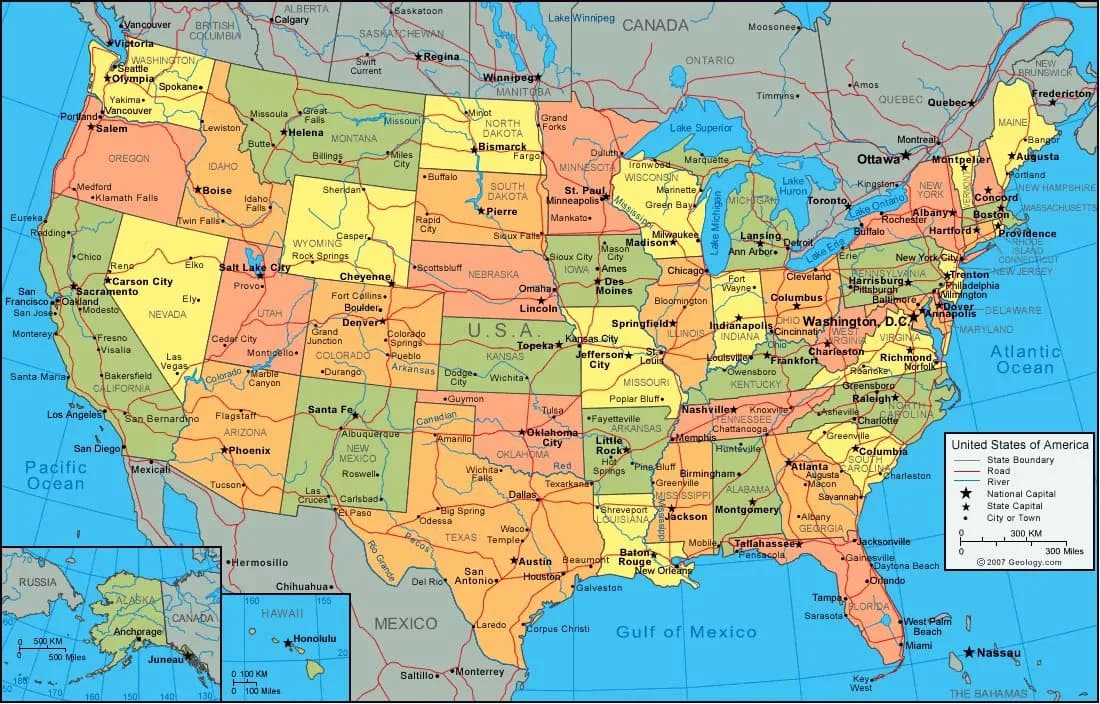
Why Nepalese students choose United States of America
Key reasons that make United States of America a preferred destination for higher education and global career opportunities.
The US system allows students to explore different subjects (Liberal Arts) before declaring a "major," providing a customized educational path.
For students in Computer Science or Tech, being in the US provides direct access to the world’s biggest companies like Google, Apple, and Meta.
With over 4,000 universities, students can choose between massive state universities, elite Ivy League schools, or specialized community colleges.
The Optional Practical Training (OPT) program allows graduates to work for up to 3 years (for STEM) in the US labor market.
The "American Campus" experience is legendary, focusing on extracurriculars, leadership, and building a global professional network.
The US spends more on R&D than any other nation, ensuring that Master’s and PhD students have access to the latest equipment and funding.
Top Universities
Leading institutions recognized globally for academic excellence
Medicine, Law, Political Science
Computer Science, Economics, Physics
Entrepreneurship, Data Science, Law
Astronomy, Aerospace Engineering
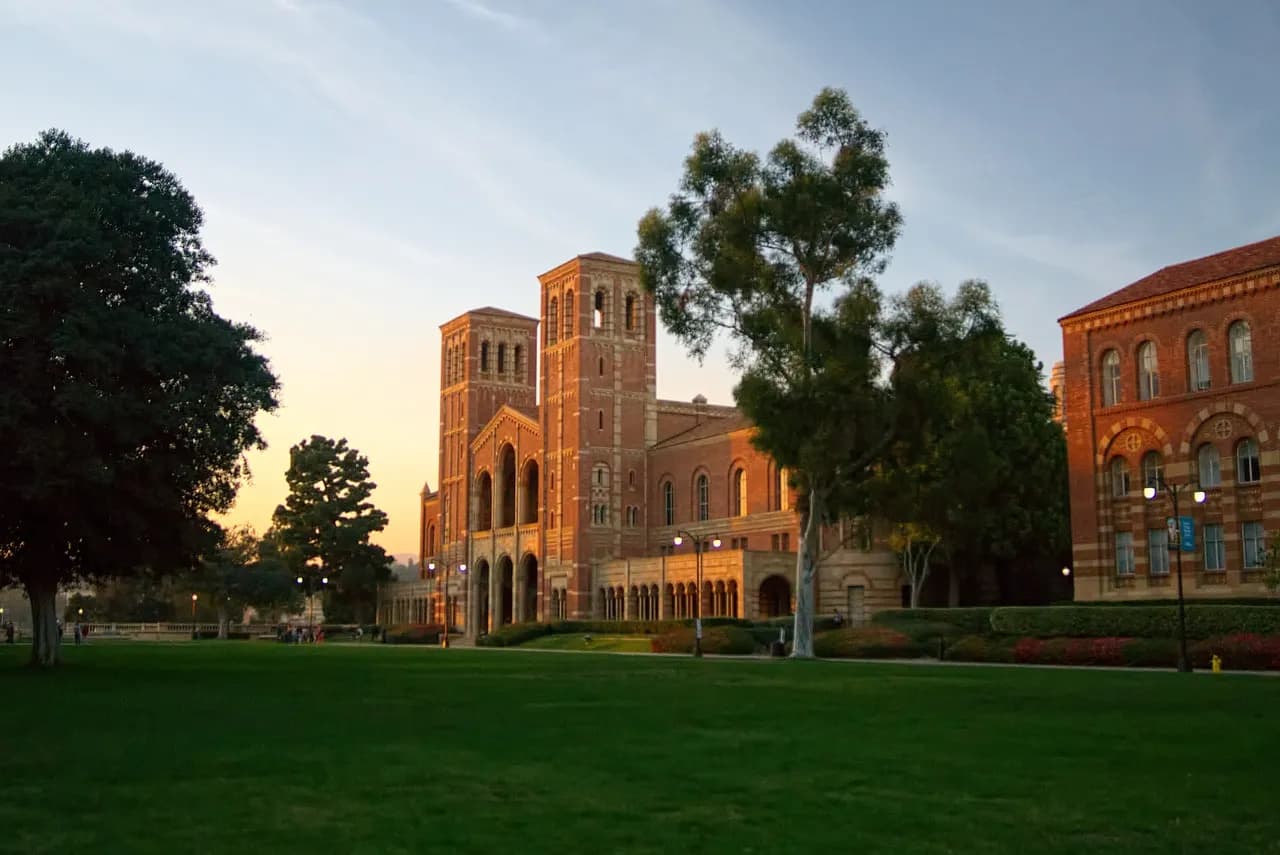
Popular Courses
High-demand academic programs commonly chosen by international students.

Best Cities for Students
Student-friendly cities known for education, lifestyle, and opportunities


Visa Process
A step-by-step overview of the student visa application process.
After being accepted, the university issues a Form I-20. This document lists your SEVIS ID and your estimated costs for the first year.
Before your interview, you must pay the SEVIS I-901 fee ($350) to the Department of Homeland Security and keep the receipt.
You must complete the online DS-160 application. This is a lengthy form where you provide your personal, educational, and background information.
The most critical step for the USA is the face-to-face interview at the US Embassy. You must prove your "Non-immigrant Intent"—meaning you plan to return to Nepal after your studies.
Cost of Education
An overview of tuition fees and living expenses to help you plan your education budget effectively.

Tuition Fees
USD 20,000 – 55,000 per year
Average Annual Cost
USD 35,000 – 70,000
Costs vary by university and state. Public universities are generally more affordable than private institutions.
Living Expenses
Health Insurance
for Students

Mandatory
Estimated Cost
USD 1,000 – 2,000/year
Scholarships & Funding
Explore available scholarships, grants, and financial aid options for international students to support their education journey.

Fulbright Foreign Student
Amount
Full Tuition, airfare, living stipend, and health insurance.
Eligibility
Graduate students and young professionals; varies by home country; must return home for 2 years.
Hubert H. Humphrey
Amount
Full funding for 10 months of professional development and academic study.
Eligibility
Mid-career professionals with leadership potential; non-degree program.
AAUW International Fellowship
Amount
$20,000 (Master’s), $25,000 (PhD), or $50,000 (Postdoc).
Eligibility
Women pursuing full-time graduate or postdoctoral study in the US who are not US citizens.
*Scholarships are competitive and based on academic merit and English scores.
Career & Post-Study Rights
Discover part-time and post-study work opportunities along with earning potential, helping students gain valuable experience and build successful international careers.
Average Salary
USD 60,000 – 90,000/year
Estimated annual earnings after graduation
During Study
20 hrs/week on-campus
Part-time work rights for students
Post Study
OPT up to 36 months (STEM)
Graduate work permit duration