Study in Canada
Quick Facts
Key information at a glance to help you understand the essentials.
- capital
- Ottawa
- currency
- Canadian Dollar (CAD)
- language
- English & French
- population
- 38+ million
- timezone
- UTC −3.5 to −8
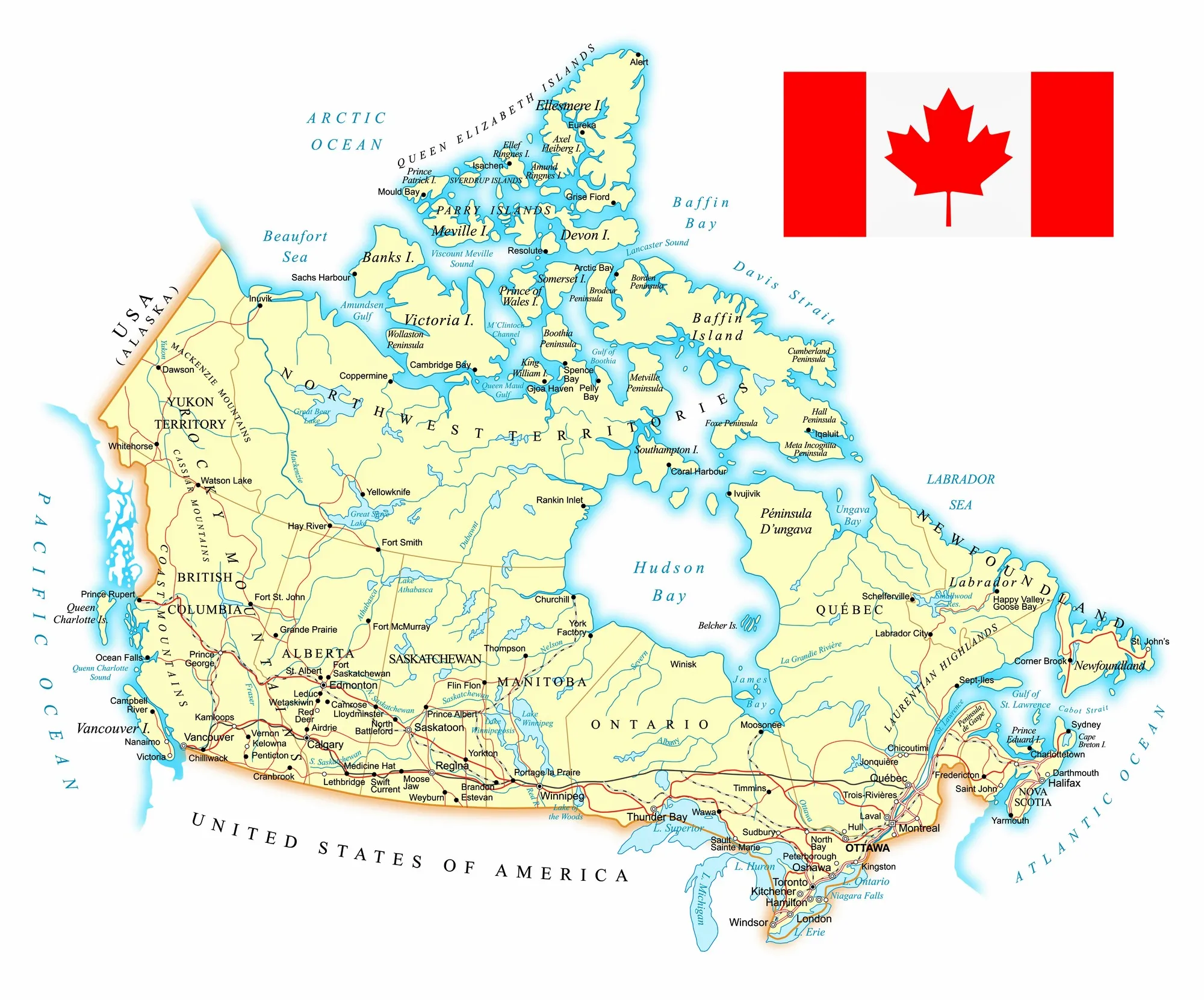
Why Nepalese students choose Canada
Key reasons that make Canada a preferred destination for higher education and global career opportunities.
Canadian degrees are held in the same high regard as those from the US or UK, with a strong emphasis on research and practical application.
Canada offers one of the world's most generous stay-back programs (PGWP), allowing students to gain professional North American work experience.
Canada is consistently ranked as one of the most welcoming nations for immigrants, ensuring a safe and inclusive environment for international students.
Unlike many other countries, Canada has specific immigration streams (like the Canadian Experience Class) designed to help graduates become permanent residents.
While tuition is an investment, the overall cost of living and tuition in Canada is often lower than in competing destinations like Australia or the USA
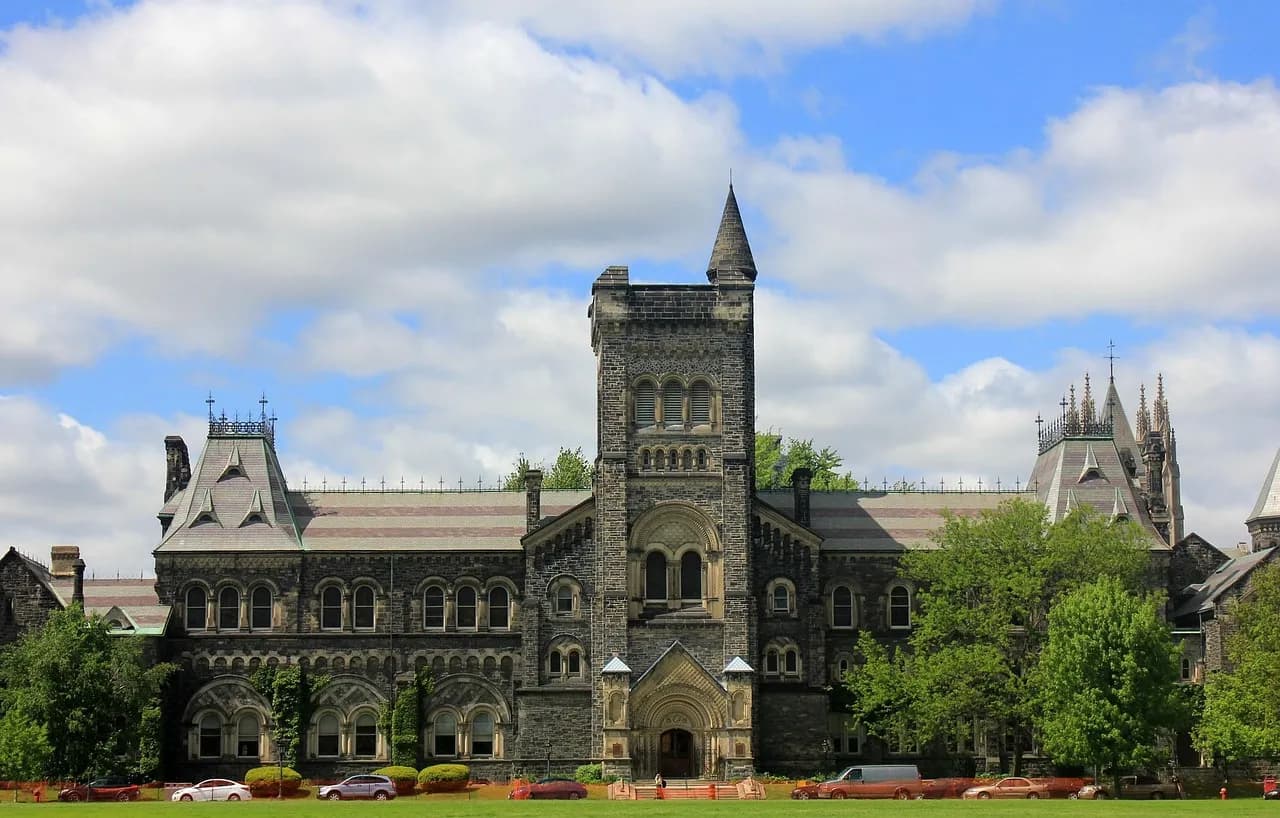
Top Universities
Leading institutions recognized globally for academic excellence
Life Sciences, AI, & Finance
Medicine, Law, & Biomedical Engineering
Sustainability, Business, & Computer Science
Energy Research, Mining, & Agriculture
Popular Courses
High-demand academic programs commonly chosen by international students.

Best Cities for Students
Student-friendly cities known for education, lifestyle, and opportunities


Visa Process
A step-by-step overview of the student visa application process.
Most undergraduate students now require a PAL from the province where they intend to study. This is a new 2024/2025 requirement to manage the national cap on study permits. (Master's and PhD students are generally exempt).
You must deposit approximately CAD 20,635 into a Canadian bank. This acts as proof that you have enough funds to cover your first year of living expenses.
Most international students must undergo a medical exam by an IRCC-approved panel physician. After submitting your application, you will also need to visit a Visa Application Centre (VAC) to provide your fingerprints and photo.
You must write a detailed explanation of why you chose Canada, why you chose that specific program, and how it aligns with your future career goals in your home country.
While you can hope to stay and work after graduation, you must convince the visa officer that you have strong ties to your home country and will leave Canada if your legal status expires.
Cost of Education
An overview of tuition fees and living expenses to help you plan your education budget effectively.

Tuition Fees
CAD 15,000 – 35,000/year
Average Annual Cost
CAD 25,000 – 45,000
Costs vary by province and institution.
Living Expenses
Health Insurance
for Students

Mandatory
Estimated Cost
CAD 600 – 1,000/year
Scholarships & Funding
Explore available scholarships, grants, and financial aid options for international students to support their education journey.

Vanier Scholarship
Amount
CAD 50,000/year
Eligibility
Doctoral students
Lester B. Pearson (U of T)
Amount
Fully Funded: Tuition, books, incidental fees, and 4 years of full residence.
Eligibility
International high school students nominated by their school; must apply to University of Toronto.
McCall MacBain (McGill)
Amount
Full Tuition and fees + $2,000 monthly stipend.
Eligibility
Master’s or professional degree applicants; requires exceptional character and leadership.
*Scholarships are competitive and based on academic merit and English scores.
Career & Post-Study Rights
Discover part-time and post-study work opportunities along with earning potential, helping students gain valuable experience and build successful international careers.
Average Salary
CAD 50,000 – 80,000/year
Estimated annual earnings after graduation
During Study
20 hours/week
Part-time work rights for students
Post Study
PGWP up to 3 years
Graduate work permit duration